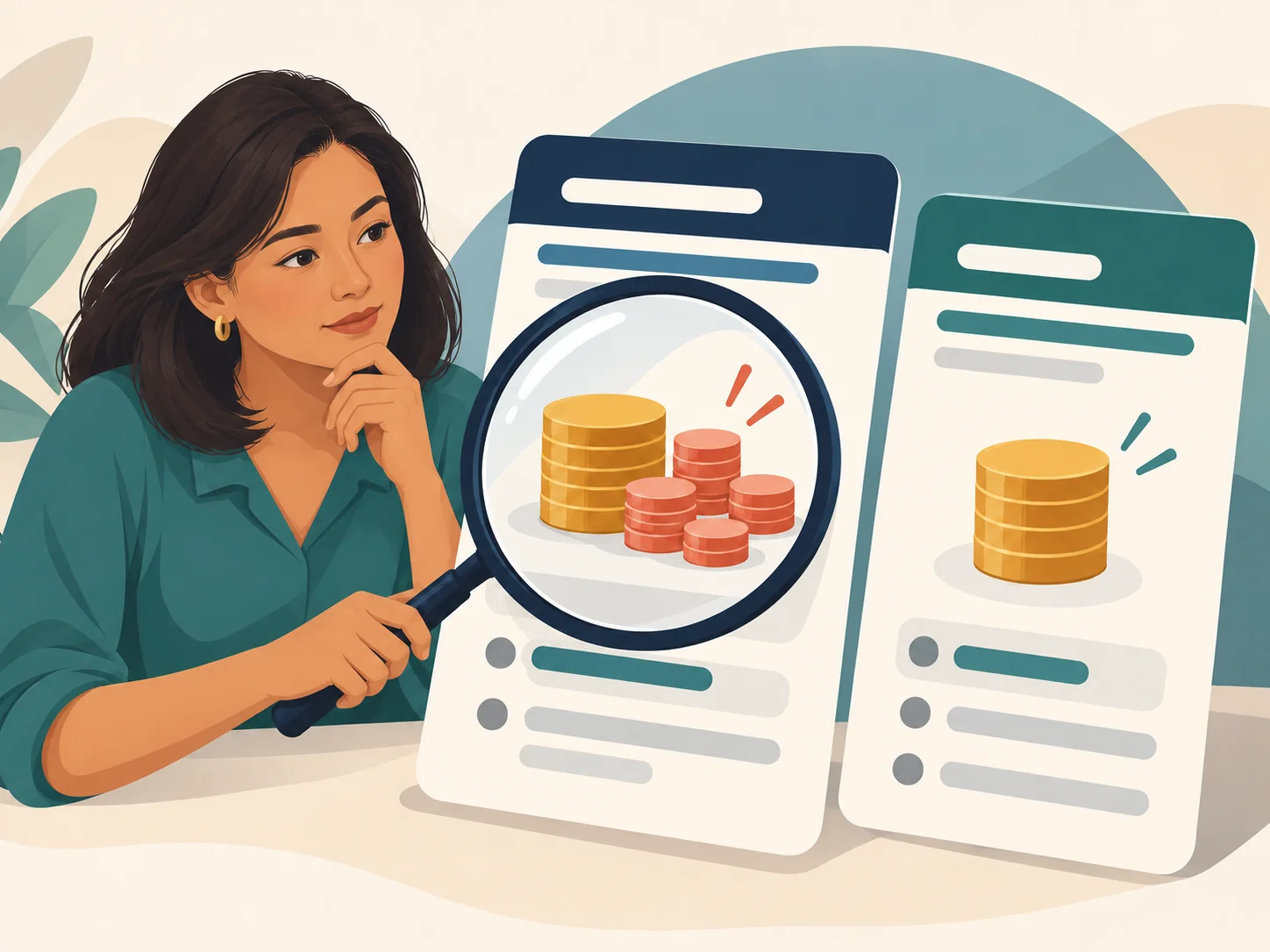
In the modern Philippine economy, a credit score is more than just a number; it is a digital reflection of your financial integrity. Whether you are planning to mortgage a new home in Metro Manila, finance a vehicle, or secure a business loan, your creditworthiness dictates the terms of your financial future. A robust credit profile signals to lenders that you are a low-risk borrower, paving the way for lower interest rates and higher credit limits.
In the Philippines, credit information is aggregated and managed through systems that track various financial footprints, including personal loans, credit card balances, repayment histories, and data reported by participating banking and non-banking financial institutions. Because this profile is dynamic, it requires proactive management.
There are no "magic pills" or overnight hacks to manufacture an elite credit score. The path to financial prestige is built on the foundation of consistency, transparency, and disciplined debt management.
1. Conduct a Rigorous Audit of Your Credit Report
The first step in any financial recovery or optimization plan is visibility. You cannot manage what you do not measure. If you want to check your credit score in the Philippines, start by reviewing your official credit records.
A credit report serves as your financial CV. Scrutinizing it allows you to identify discrepancies, such as forgotten dormant accounts, incorrect balances, or even signs of identity theft.
In the Philippines, the CIC credit report from the Credit Information Corporation is a critical document. If you encounter erroneous, misleading, or outdated information, do not ignore it. The CIC provides an Online Dispute Resolution System specifically designed to handle eligible disputes and help correct inaccurate reported data.
2. Prioritize Payment Punctuality
In the eyes of a lender, payment behavior is an important predictor of future default. Late payments are red flags that can affect your creditworthiness.
To safeguard your score, move beyond mere intention and implement structural safeguards:
- Automate obligations: utilize auto-debit arrangements (ADA) for recurring bills.
- Manage your buffer: maintain a small liquidity reserve to cover installments during months with irregular cash flows.
- Set digital reminders: sync your due dates with your digital calendar to help avoid missed payments and late fees.
3. Strategic Debt Resolution and Delinquency Management
If you find yourself in a position of delinquency, the priority shifts from optimization to damage control. Being behind on payments creates a cycle of penalties that can rapidly erode your financial standing.
If you have overdue accounts, initiate direct communication with your creditor. Negotiating a restructured payment plan or confirming the exact outstanding balance, including accrued interest and penalties, is vital.
While bringing an account current does not instantly erase the historical record of late payments, it demonstrates a renewed commitment to your obligations.
4. Mitigate the Risks of Credit Hunger
A common mistake among Filipino borrowers is the simultaneous application for multiple credit lines. When you apply for a loan or credit card, the lender may perform a hard inquiry on your credit profile.
Multiple hard inquiries within a short timeframe may suggest credit hunger—a pattern of repeatedly seeking additional credit. The effect on your score depends on the scoring model used.
Instead, conduct thorough research into products that align with your specific debt-to-income (DTI) ratio and only apply for instruments that match your current financial capacity.
5. Optimize Your Credit Utilization Ratio
Credit usage is not inherently detrimental. A limited credit history can also make it harder for lenders to assess your repayment behavior. One risk to watch is high utilization—using a large percentage of your available credit limit.
High balances across multiple cards or overlapping installments can signal that you are overleveraged. To improve your credit profile, aim to keep your revolving credit utilization low. This demonstrates that you have access to credit while keeping your borrowing manageable.
6. Cultivate a Long-Term Credit Narrative
A longer record of responsible borrowing can help lenders assess your creditworthiness. Build a narrative of stability through consistent repayment and manageable balances.
Before closing an old, unused account, consider its fees, security risks, and possible effect on your available credit and credit history. The effect on a score depends on the scoring model used.
Use credit as a strategic tool for planned purchases, while keeping your monthly obligations within your financial capacity.
About the author

Isabel Reyes
Isabel Reyes is an editorial persona for articles about credit, loans, and everyday money management in the Philippines.